Exploring the Depths: Playing Below the Normal Range on Saxophone
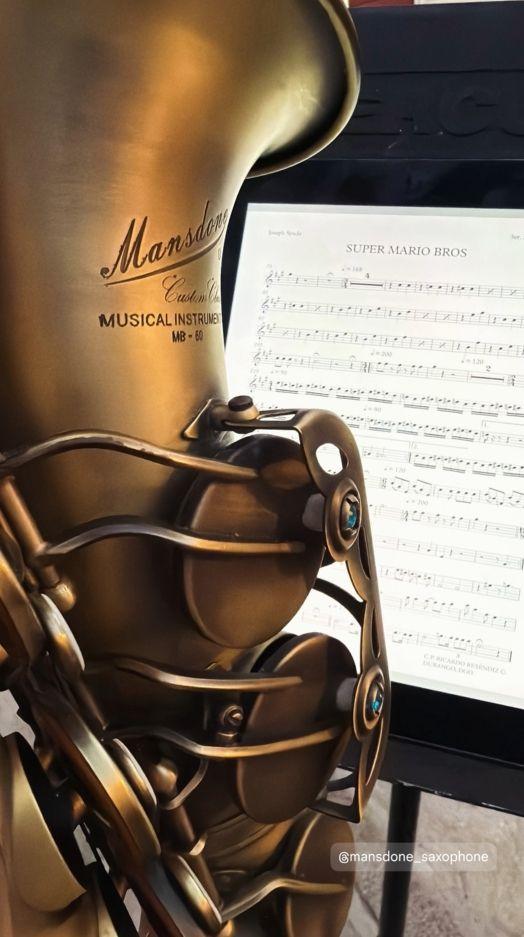
While the saxophone is renowned for its expressive mid and upper registers, an advanced technique involves producing pitches below the instrument's conventional lowest note—typically B♭. This practice demands a combination of specialized equipment, refined embouchure, and sophisticated breath control.
Equipment Adjustments
Accessing these subterranean tones often requires modifications to standard gear. Players frequently use mouthpieces with very large tip openings—sometimes custom sizes as wide as 12 or 14—paired with extremely soft reeds (around Vandoren strength 1) to reduce resistance. Many also manually adjust reeds by removing cane from the vamp area to facilitate easier blowing in the low register. Crucially, the saxophone itself must be in perfect mechanical condition; even minor leaks, particularly from the articulated G♯ mechanism, can make low note production nearly impossible.
Embouchure and Voicing
The technique challenges conventional pedagogy. Rather than simply "dropping the jaw," players develop a relaxed, flexible embouchure with a flattened tongue position—often described as the sensation of having a large egg in the mouth. This oral cavity shape, practiced first on the mouthpiece alone, allows the reed to vibrate at lower fundamental frequencies. Unlike standard articulation, which uses a "TAH" syllable, players employ breath attacks (starting notes with "HAH") to keep the tongue position stable and maintain an uninterrupted airstream.
The Physics of Sound Production
The difficulty of producing sub-low notes lies in saxophone acoustics. The instrument's bore has strong impedance peaks that naturally favor higher frequencies. To bypass this tendency, players must tune their vocal tract resonances to match the desired low pitch, creating conditions that allow the reed to vibrate at a more fundamental, lower frequency. This requires exceptional breath support and highly developed "voicing"—the ability to shape the oral cavity to influence pitch.
Practical Techniques
A useful attack method is the "boost": when playing a low B, the player fingers the note, lifts the first finger of the right hand (the F key) just before the attack, and gently taps it closed at the exact moment of the breath attack. This coordinated motion helps initiate a clean, centered low tone.
Ultimately, playing below the normal range is a holistic skill blending physical control with aural imagination. The player must internally "hear" the pitch before producing it, guiding the complex interplay of air, embouchure, and oral cavity to unlock sounds rarely heard from the instrument.
This article is provided by Mansdone Brand Marketing Department!