A Comparative Analysis of Difficulty: Piano, Trumpet, Saxophone, and Violin
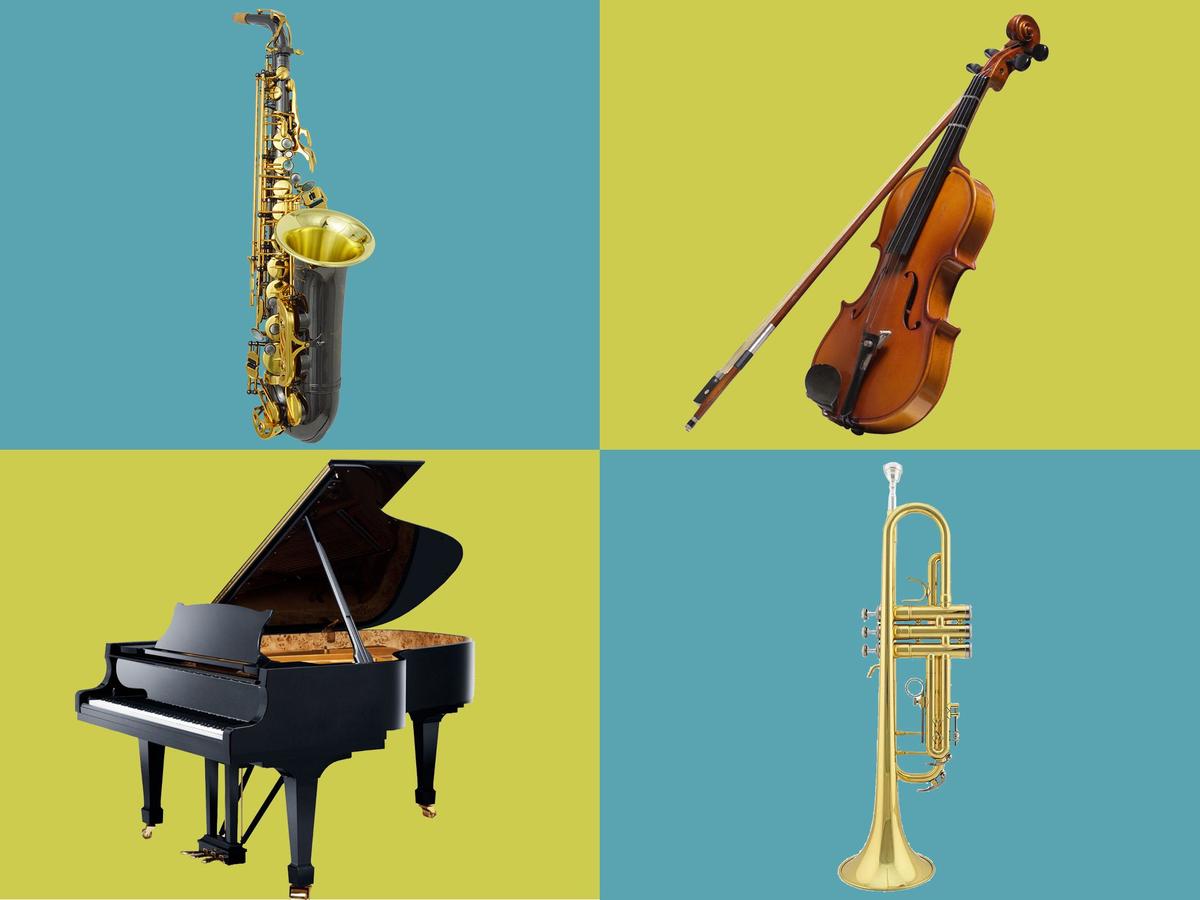
The question of which musical instrument is the most difficult to learn is a subject of enduring debate among musicians and educators. The answer is rarely straightforward, as the concept of "difficulty" is multifaceted, encompassing physical demands, technical complexity, and the nature of the initial learning curve. This article examines four popular instruments—piano, trumpet, saxophone, and violin—through the lens of available expert and anecdotal evidence to provide a balanced, third-person analysis.
Defining the Challenges
Instruments challenge learners in different ways. For some, the primary hurdle is producing a pleasant sound; for others, it is coordinating complex motor skills or reading multiple lines of music simultaneously. A review of expert commentary and comparative guides reveals distinct challenges for each instrument.
The Violin: Intonation and Bow Control
The violin is frequently cited as one of the most difficult instruments to learn, particularly due to its lack of frets. This requires players to rely entirely on their ear to place their fingers with extreme precision to produce a correct pitch, with a tiny margin for error. However, this is only half the challenge. The coordination of the bowing arm adds another layer of complexity.
As one experienced player noted, coordinating the left hand (fingerboard) and the right arm (bow) on the violin is significantly harder than coordinating two hands on the piano, and early attempts often sound "harsh" and unappealing. The journey to producing a beautiful tone is a "masterclass in patience," making the violin a candidate for the most technically demanding instrument on this list.
The Piano: Coordination and Musical Breadth
While a beginner can produce a pleasant tone on a piano simply by pressing a key, the instrument's difficulty lies in its complexity. The piano is unique in requiring the player to read two different musical staves (treble and bass clefs) simultaneously, coordinating the hands to perform independent rhythmic and melodic parts. This makes the piano an excellent tool for learning music theory, as the layout of notes is linear and visible, but mastering it requires true ambidexterity and a high level of coordination. As one source put it, "to play well, you need to be ambidextrous" and have a wide dynamic range and finger control.
The Trumpet: Physical Stamina and Embouchure
The primary difficulty in learning the trumpet is physical. Unlike a piano or saxophone, producing a sound requires the player to buzz their lips into a mouthpiece, a technique known as embouchure. This demands consistent practice to build and maintain the facial muscles. As one commentator put it, the trumpet is "a taskmaster, like running, in that you have to maintain your chops".
Furthermore, beginners often struggle to produce a clean, non-ambiguous note, as the trumpet relies on the overtone series, where different notes can be played with the same fingering. This, combined with the necessity for precise breath control and airflow, places it among the instruments with a steep initial learning curve.
The Saxophone: Breath Control and Tone
The saxophone, often seen as a more accessible instrument, presents its own set of challenges. While its fingering system is relatively logical, a professional player highlights that "playing it in tune, with good articulation, dynamics, and tone quality takes many many years".
The primary challenge lies in breath control and embouchure, but of a different nature than the trumpet. A player must develop a steady, controlled airstream and shape their mouth correctly to produce a rich, full tone across the instrument's full range. It is an instrument that is easy to make a sound on but very difficult to master, with the gap between an amateur and professional sound being substantial.
Synthesizing the Evidence
When comparing the four instruments, a pattern emerges. If the criterion for "difficult" is the initial stage—the ability to produce a pleasant sound—the violin and trumpet are arguably the most challenging. The violin's intonation and bow control, and the trumpet's embouchure and physical stamina, present a significant barrier to entry that the piano and saxophone do not.
However, if "difficulty" is measured by the time and effort required to reach a professional level, the picture becomes more nuanced. The piano's complex coordination and the saxophone's demands for breath control and tonal nuance mean that mastery of any instrument is a lifetime's work. A 1977 ranking from the American Music Conference placed the violin in a "difficult" category, while piano, saxophone, and trumpet were rated as "average," suggesting that the initial learning curve is a significant factor in their assessment. Modern analysis often considers the violin and piano to be the most technically complex, with brass instruments like the trumpet requiring the most physical conditioning.
Conclusion
In conclusion, no single instrument is definitively the "hardest" for all learners, as the challenges are of a fundamentally different nature. The violin presents a steep challenge in intonation and coordination from the very first note. The piano demands high-level coordination and multitasking. The trumpet is a physical challenge that requires constant maintenance of muscle tone. The saxophone seems easy to start but requires great control to master.
Ultimately, the perceived difficulty depends on the individual. A student with a natural gift for pitch might adapt more quickly to the violin, while someone with strong hand coordination might find the piano more intuitive. As one musician wisely noted, "It all depends on the individual," and the best instrument to learn is often the one that inspires the most dedication and practice.
This article is provided by Mansdone Brand Marketing Department!