The Transition to Soprano Saxophone: Alto Saxophone vs. Clarinet Background
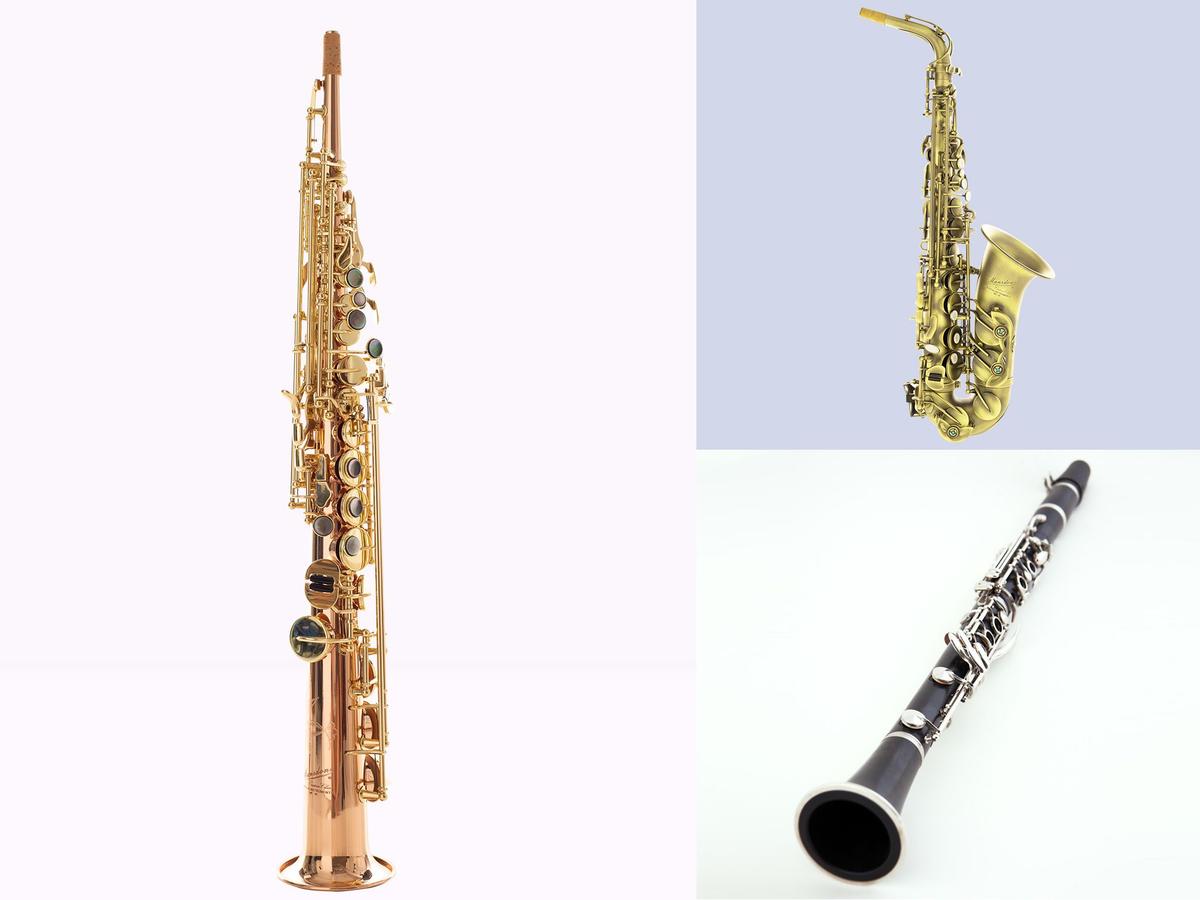
For musicians considering taking up the soprano saxophone, a common question is whether prior experience on the alto saxophone or the clarinet provides a greater advantage. While both instruments offer transferable skills, the consensus among experienced woodwind players suggests that an alto saxophone background generally offers a more straightforward path.
The Advantage of an Alto Saxophone Foundation
The primary reason an alto saxophonist has an easier transition is the identical fingering system across all saxophones. The fingerings for a given written note are the same on the soprano, alto, tenor, and baritone saxophones. A musician who has spent years developing muscle memory on the alto saxophone can directly apply that technical facility to the soprano.
Furthermore, the mouthpieces of alto and soprano saxophones are relatively similar in design and feel, allowing for a more intuitive adaptation of the embouchure—the way a musician shapes their mouth and uses facial muscles to produce sound. This shared foundation means the core mechanics of playing are largely preserved.
The Challenge of the Clarinet Background
While the clarinet is a single-reed instrument like the saxophone, there are profound differences that can hinder a smooth transition. The most significant is the embouchure. The clarinet requires a firmer, more pinched embouchure compared to the more relaxed approach needed for the soprano saxophone. One musician noted that the clarinet's upper octave fingerings are similar to the saxophone, but the overall technique and response differ markedly.
A critical pitfall for clarinetists is the tendency to approach the soprano saxophone as if it were a clarinet, applying the same embouchure and voicing. This often results in a thin, pinched tone and significant intonation problems, leading to the warning that a clarinetist will "always sound like a clarinettist trying to play a sop". Because the soprano saxophone is held more upright like a clarinet, it can be particularly deceptive, making it harder for a clarinetist to switch into "sax mode".
The Nuances of Soprano Saxophone
Regardless of the musician's background, the soprano saxophone presents its own unique challenges, primarily regarding intonation and embouchure control. It is famously difficult to keep in tune, requiring precise control of the oral cavity and airstream. The embouchure must be tighter and more controlled than on larger saxophones like the alto, making it a more advanced instrument that can be exceedingly difficult for a beginner.
Some clarinetists may have an advantage in the discipline required for this precision, but the need to unlearn the clarinet embouchure while learning a new one is a major hurdle.
Conclusion
Ultimately, while a clarinetist's experience is not without merit, the most direct and efficient path to playing the soprano saxophone is through the alto saxophone. The identical fingerings and similar mouthpiece feel provide a significant head start, allowing the player to focus primarily on mastering the unique embouchure and intonation challenges of the smaller instrument. For the clarinetist, the transition is possible but requires a conscious effort to treat the soprano saxophone as a distinct instrument with its own rules and to avoid the trap of simply applying clarinet technique.
This article is provided by Mansdone Brand Marketing Department!