The Saxophone, Flute, and Recorder: A Study in Contrasts
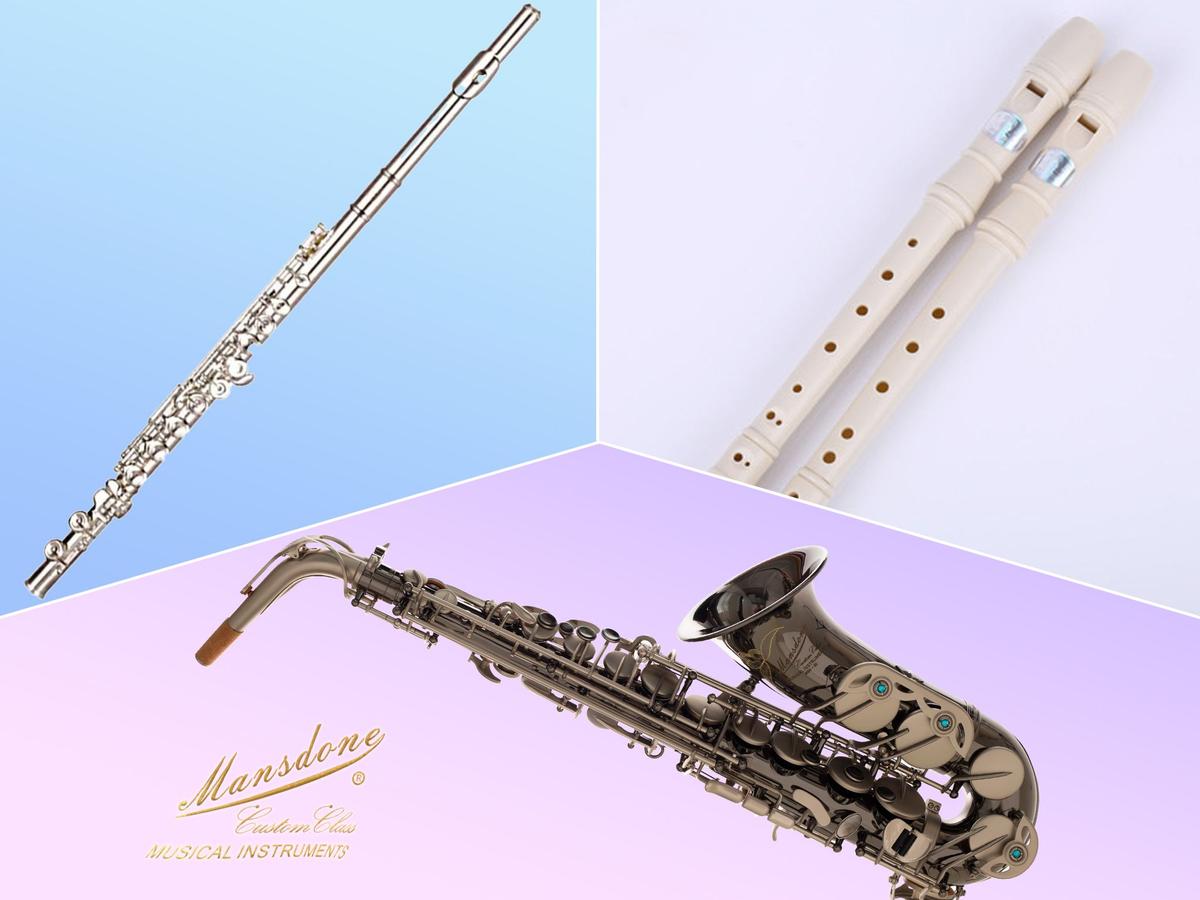
While the saxophone, flute, and recorder are all members of the woodwind family, they are not played the same way. Their fundamental mechanisms for producing sound and their acoustic structures differ significantly, presenting musicians with distinct challenges and requiring different techniques.
Fundamental Differences in Sound Production
The most significant distinction among these instruments lies in how sound is initially generated. The saxophone is a single-reed instrument. Sound is produced when a player blows air through a mouthpiece, causing a thin wooden reed to vibrate against the opening. This vibration acts as a pressure regulator, which, acoustically, is similar to a closed end on the instrument's air column.
In contrast, the flute and recorder produce sound without reeds. They are classified as flute-type or edge-tone instruments. The modern concert flute is a transverse instrument, requiring the player to blow across a hole in the lip plate, similar to blowing across the top of a bottle. This action creates an "edge tone" where the air stream splits and vibrates against the edge of the hole. The recorder, while also a flute-type instrument, differs in that it is blown from the end and features a fipple or block that directs the air onto a sharp edge. In both cases, the air itself is the vibrating element, and acoustically, these instruments behave like open-open resonators.
Acoustic and Physical Properties
The acoustic behavior of these instruments is determined by their physical shape, or bore. The saxophone features a conical bore. The flute and recorder, however, are typically cylindrical. While the saxophone uses tone holes and keys to change pitch, the absence of a reed means that changing registers on the flute requires the player to alter the speed and direction of the air stream, as there is no octave key.
The playing technique, or embouchure, also varies greatly. Producing a clear tone on the flute requires a highly precise and controlled embouchure to focus the air stream correctly. This can be challenging for beginners who may struggle to produce any sound at all. The saxophone, with its reed, allows for a more forgiving initial sound production, though it introduces complexities such as reed selection and maintenance. For saxophonists learning flute, the most significant challenge is often developing this new and demanding embouchure, while the fingerings themselves may be somewhat familiar.
Shared Fingering and the Challenge of Transition
Despite their differences, these instruments share some similarities that can facilitate the transition from one to another. The fingerings for the basic notes are quite similar between the saxophone and the flute, particularly in the first two octaves. This can give a saxophonist a significant head start when learning to play the flute. However, it is the differences in embouchure and breath control that ultimately define the playing experience. The skills required for the flute are considered more specialized, and a poor technique can be difficult to correct, making lessons highly recommended for those making the transition.
In summary, while a saxophonist may find the flute's fingering system familiar, the physical act of playing and the sound production are fundamentally different. The saxophone is a reed instrument where the mouth acts as a closed end, while the flute and recorder are open-pipe instruments where sound is generated by the air itself.
This article is provided by Mansdone Brand Marketing Department!