The Versatile Saxophone: A Journey Through Musical Genres
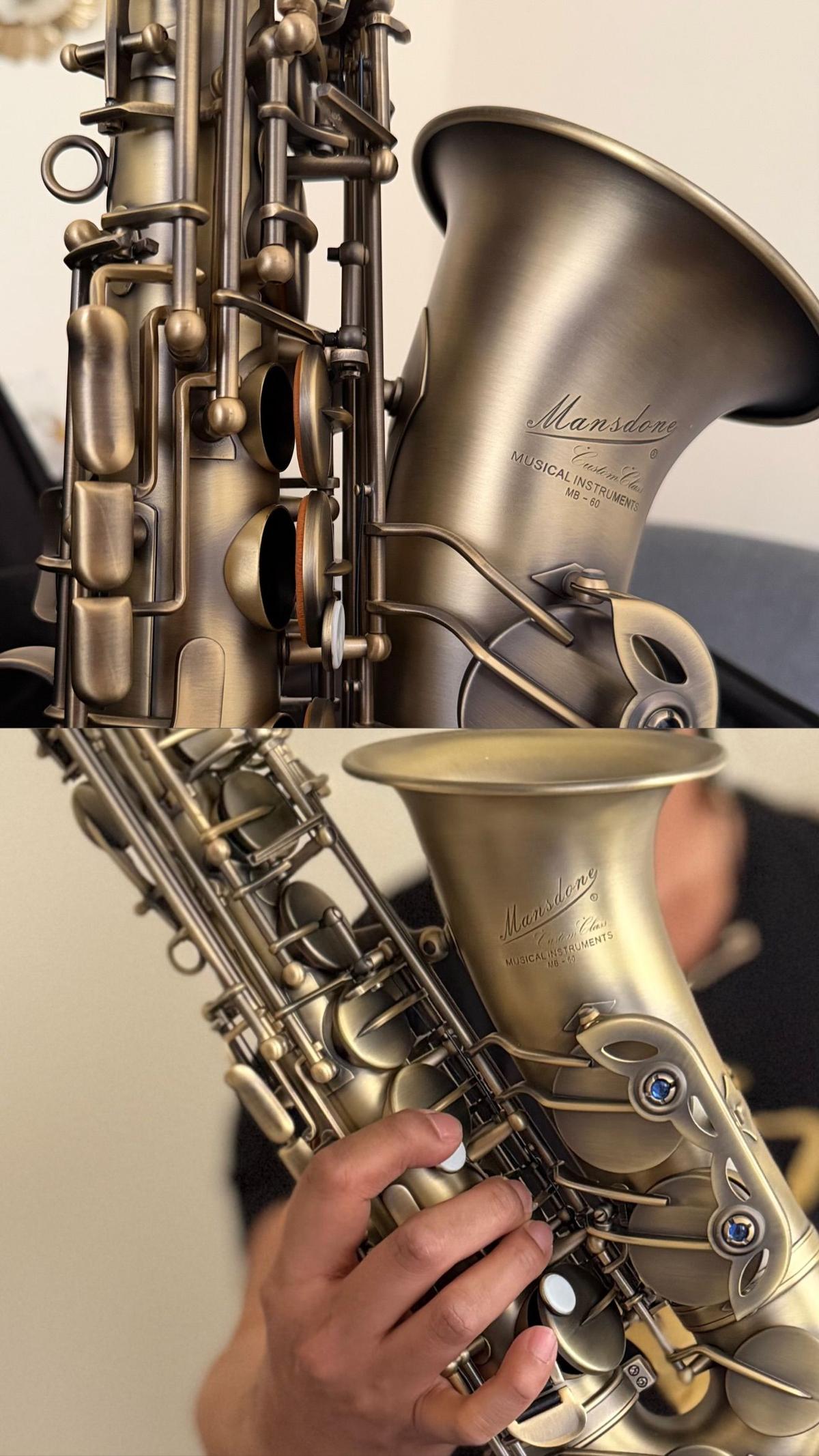
The saxophone, invented by Belgian instrument maker Adolphe Sax around 1840, has proven itself to be one of the most versatile instruments in modern music. While its creator initially envisioned it as a bridge between the woodwind and brass families for use in classical orchestras and military bands, the instrument has since transcended these boundaries to become a staple across an extraordinary range of musical styles. The question is not whether the saxophone can play all kinds of music, but rather how musicians have unlocked its remarkable potential.
A Legacy of Musical Diversity
The saxophone's journey through musical history demonstrates its inherent adaptability. Though it faced an uphill battle to gain acceptance in the symphony orchestra and its classical repertoire stagnated in the late 19th century, the instrument found a powerful new voice in the early 20th century. African American musicians in New Orleans adopted the saxophone for jazz, leading to an explosion in its popularity that would forever change its trajectory. By the 1920s, bands like the Fletcher Henderson Orchestra and the Duke Ellington Orchestra were cementing its role in jazz.
This was only the beginning. The saxophone's influence expanded into rhythm and blues, pop, and rock and roll, becoming a defining sound in countless recordings. The instrument's repertoire is vast and global. One bibliographical index catalogues over 12,000 works of "classical music" for saxophone, a number that does not even include its appearances in thousands of symphonic and operatic pieces. This heritage is not limited to Western music; composers have increasingly integrated cross-cultural elements, fusing Japanese scales with Western sonata forms or combining traditional dance rhythms with modern composition techniques.
Unlocking the Instrument's Full Potential
The saxophone's ability to adapt to such a wide variety of genres is not simply a matter of historical happenstance. It is the result of a deep understanding of the instrument's mechanics and the development of specialized performance techniques. While the fundamental mechanics of producing sound—blowing air against a single wooden reed to create vibration—remain constant, the "how" of stylistic adaptation lies in a player's command over several key areas.
1. The Foundation: Sound Production and Technique
The journey to stylistic versatility begins with mastering the instrument's core mechanics. Pitch and tone are controlled by pressing keys that open and close holes along the body, effectively changing the length of the air column inside the conical tube. However, achieving different timbres requires nuanced control. The embouchure (the way a player shapes their mouth around the mouthpiece), breath support, and the internal shape of the vocal tract all have an acute effect on the sound produced. This is why two players can sound so different on the same instrument.
2. Classical and Contemporary Music
For classical and contemporary repertoire, precision and tonal purity are paramount. The instrument's resemblance to the human voice has been noted by composers since its invention, with Hector Berlioz famously praising its expressive qualities. However, to perform modern classical works, players must often go beyond traditional technique.
Much of the core classical saxophone repertoire originates from a tradition of competition pieces written for the Paris Conservatory in the early 20th century. To expand the instrument's expressive range, composers and performers have developed techniques collectively known as "extended techniques." These include:
- Multiphonics: The art of producing two or more notes simultaneously. This is achieved through specific fingerings and precise manipulation of the embouchure and air stream. While some use them in jazz, they are a hallmark of modern classical repertoire.
- Altissimo: Playing notes above the instrument's conventional range. This requires advanced fingerings and exceptional control to produce pitches that are normally considered "out of reach".
- Timbre Variation: Altering the tone color of a single note through subtle changes in embouchure and voicing.
These techniques allow the saxophone to create a vast palette of sounds, from ethereal and airy to harsh and complex, making it a favored instrument in experimental and contemporary classical music.
3. Jazz, Rock, and Beyond
In jazz and popular music, the approach shifts. While technical facility is still essential, the focus is often on expressiveness, rhythmic flexibility, and a more personal sound. The instrument's ability to bend pitches and produce a "dirty" or "growling" tone is what gives it so much character in these genres. Key techniques include:
- Growling: Humming or singing while playing to create a coarse, rough texture that has become iconic in jazz and rock.
- Glissando: Bending the pitch smoothly from one note to another, a technique mastered by legendary jazz saxophonists.
- Slap Tonguing: Creating a percussive "pop" by slapping the reed with the tongue, often used in jazz and funk.
Furthermore, the saxophone comes in a family of sizes—from the high-pitched soprano to the deep, resonant baritone—each with its own characteristic sound and role. This allows a saxophonist to choose the perfect "voice" for a particular musical context.
Conclusion
Yes, the saxophone can play all kinds of music, from the refined salons of classical Europe to the raucous jazz clubs of New Orleans and the stadiums of rock and roll. Its versatility is a product of both its ingenious design and the tireless innovation of the musicians who have played it. The journey to doing so begins with mastering the fundamentals of sound production and progresses to a deep study of the specialized techniques—both traditional and extended—that unlock its full potential. As a saxophonist explores everything from multiphonics to growling, they are not just playing an instrument; they are participating in a rich, evolving legacy of musical diversity that spans over 180 years.
This article is provided by Mansdone Brand Marketing Department!