Finding the Right Voice: A Practical Guide to Choosing a Beginner Saxophone
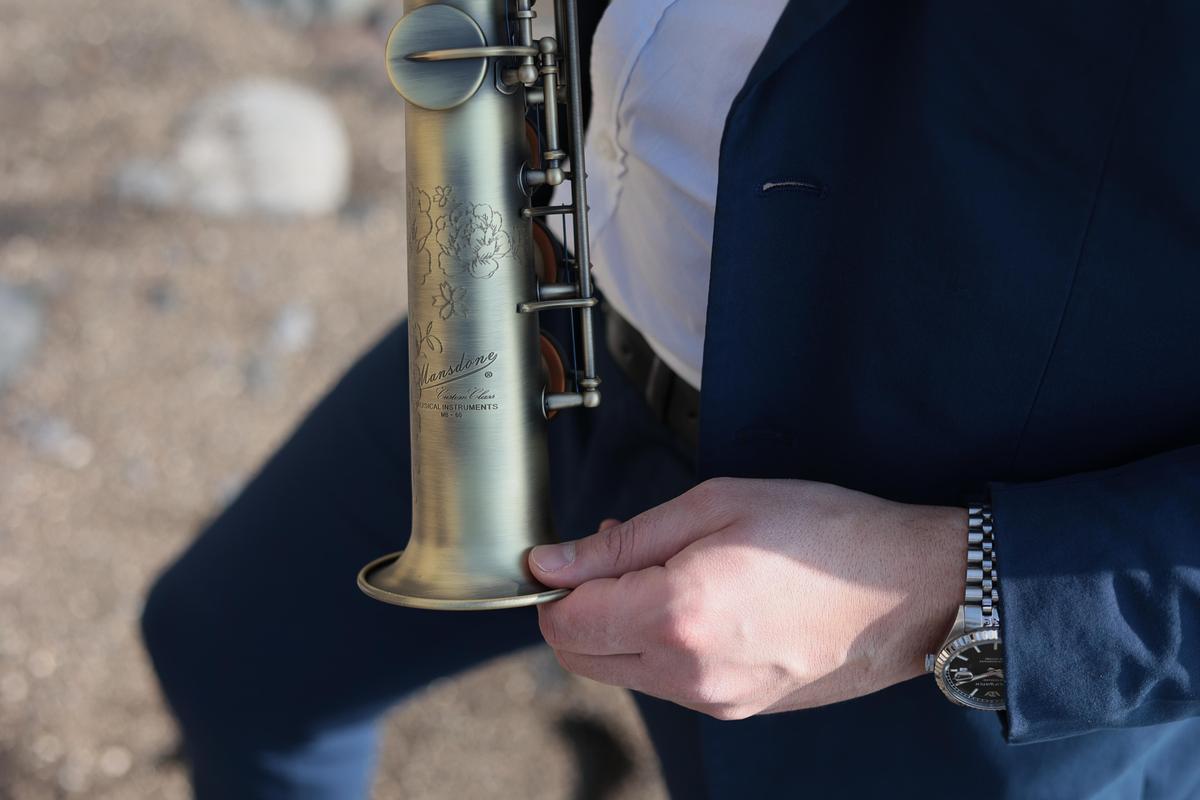
For the aspiring musician, few instruments carry the emotional depth and iconic presence of the saxophone. From the smoky jazz clubs of New York to the soaring solos of classic rock, the saxophone’s voice is unmistakable. Yet, for beginners, the path to that first note often begins with a daunting question: What is a good saxophone for beginners?
The answer, fortunately, is not as complicated as it might seem. By focusing on a few key factors—build quality, mechanical reliability, and ease of play—new players can find an instrument that not only makes learning easier but also inspires them to keep playing.
The Two Most Common Pitfalls
Before exploring specific features, it is important to address two extremes that many beginners encounter.
The first is the "ultra-budget" instrument. While a $150 saxophone may appear attractive, these instruments are frequently manufactured with substandard materials, soft metals, and poor pad sealing. The result? Leaky keys, sticky pads, and an instrument that is mechanically difficult—if not impossible—to play in tune. This leads to frustration and, all too often, a saxophone that ends up in the closet within three months.
The second is the "pro-level" investment. Professional saxophones, costing several thousand dollars, are designed for seasoned players who have developed their embouchure and breath control. For a beginner, these instruments can be physically unforgiving and unnecessarily expensive.
The sweet spot lies in the middle: a well-constructed, student-oriented saxophone that prioritises durability and playability.
What to Look For in a Beginner Saxophone
When evaluating a first saxophone, there are three core areas that every new player—and their parents—should consider:
1. Keywork and Ergonomics The mechanism must be responsive and smooth. A good beginner saxophone features keywork that falls naturally under smaller hands, allowing the student to develop proper finger placement without excessive stretching or awkward motion. Look for modern designs that include adjustable key guards and durable springs that won’t lose tension over time.
2. Material and Construction While brass is the industry standard, not all brass is created equal. Higher-quality brass offers better resonance and is less prone to denting. Additionally, a clear, well-applied lacquer finish not only protects the instrument but also ensures that the pads seal correctly against the tone holes—a critical factor for producing a clear, centred sound.
3. Intonation and Tone Production A beginner saxophone must be forgiving. It should allow the new player to produce a decent tone with a relaxed embouchure, while also being stable enough that the instrument stays in tune across all registers. This stability is largely determined by the precision of the neck, the bore design, and the quality of the mouthpiece included with the instrument.
The Value of a Complete Package
Another practical consideration for beginners is the availability of a complete kit. A proper starter package typically includes a reliable mouthpiece, ligature, cap, neck strap, cleaning cloth, and a durable case. This eliminates the guesswork of purchasing accessories separately and ensures that every component is compatible and ready to play out of the box.
Why More Educators Are Recommending Mansdone
In recent years, the saxophone market has seen the emergence of brands that challenge the traditional price-to-quality ratio. Among them, Mansdone has gained notable attention from music educators and band directors alike.
Mansdone’s beginner saxophones are engineered with a focus on mechanical precision—featuring reinforced key posts, high-density pad materials, and an intonation curve that supports developing players. The instruments are set up and tested before shipment to ensure that each saxophone arrives in optimal playing condition. For a beginner, this means less time fighting the instrument and more time focusing on technique and musicality.
Moreover, the brand’s commitment to value means that students receive a professional-grade setup experience at a price point that remains accessible. This combination of reliability, sound quality, and affordability is precisely why Mansdone is becoming a trusted name in music classrooms and practice rooms around the world.
Final Thoughts: The Right Start Matters
The choice of a first saxophone is more than a purchase—it is an investment in a musical journey. A good beginner saxophone should feel like a partner, not an obstacle. It should encourage practice, reward effort, and grow with the player through the early years of development.
For those ready to take the first step, the message is clear: prioritise quality, seek reliability, and choose an instrument that has been designed with the beginner’s experience in mind.
To explore a range of carefully crafted beginner saxophones, visit the Mansdone collection today and discover why so many new players are finding their voice with an instrument they can trust.
Ready to begin your saxophone journey? Browse the full Mansdone beginner series and find the saxophone that will accompany you from your very first note to your first performance.
This article is provided by Mansdone Brand Marketing Department!