The Saxophone: A Unique Voice in Music
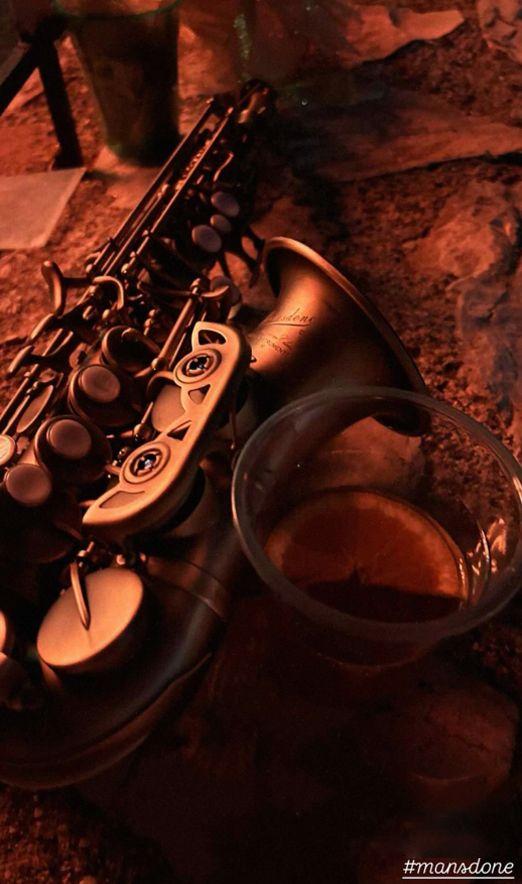
The saxophone occupies a distinctive place in the world of musical instruments, not merely because of its design but because of its unique capacity to blend power with subtlety, and virtuosity with emotional depth. While opinions on its appeal vary, a consensus emerges among musicians and listeners alike that the saxophone offers something rare: a sound that closely mirrors the human voice.
Origins and Design
The instrument's uniqueness begins with its creation. Invented by Adolphe Sax in the 1840s, the saxophone was designed to fill a specific acoustic gap. Sax sought an instrument that could project with the carrying power of brass instruments, yet possess the softer, more nuanced timbre of woodwinds. Although he had earlier developed the bass clarinet, that instrument did not fully satisfy his vision. The result was a new family of instruments, now known as the saxophone, which combines a conical brass tube with a single reed mouthpiece, classifying it as a woodwind while giving it a voice far more robust than a flute or clarinet.
The saxophone family includes several common sizes—soprano, alto, tenor, and baritone—each roughly corresponding to vocal ranges. These instruments are transposing, meaning that the same fingering produces a different concert pitch on each size. For example, when a tenor saxophone plays a written C, it sounds as a B-flat on a piano; an alto saxophone produces an E-flat. While this system may seem confusing at first, it allows players to switch between different saxophones with relative ease, as fingerings remain consistent across the family.
The Vocal Quality
Perhaps the most frequently cited quality that makes the saxophone unique is its vocal character. Many players and listeners observe that the saxophone sounds closer to the human voice than most other instruments. This quality is not merely aesthetic; it has a measurable emotional effect. A skilled saxophonist can shape tone, dynamics, and phrasing in ways that mimic singing, from breathy whispers to full-throated cries. This intimacy allows the instrument to convey a wide spectrum of emotions—melancholy, joy, urgency, sensuality—in a way that feels visceral and immediate.
This vocal quality has made the saxophone a natural vehicle for expressive music, particularly in jazz. From Sidney Bechet on soprano to Coleman Hawkins and Lester Young on tenor, and Johnny Hodges on alto, early jazz masters established the saxophone as a leading solo instrument. Their influence created a self-perpetuating cycle: virtuosic players drew audiences, which in turn inspired new generations of musicians to take up the instrument.
Facility and Virtuosity
Beyond its emotional range, the saxophone offers remarkable technical facility. The instrument is capable of extremely rapid passages, a quality exploited by virtuosos such as John Coltrane and Michael Brecker. Its responsive key mechanism and relatively even tone across registers allow players to execute complex runs and articulations with precision. This combination of expressive potential and technical agility makes the saxophone a favoured instrument for both improvisation and composed solo work.
Learning and Mastery
Like any instrument, the saxophone presents its own set of challenges. Beginners must master the embouchure—the use of facial muscles and jaw to control the reed—which is entirely foreign to guitar or piano players. Producing a clear, consistent tone requires patient development of breath support and oral shaping. However, once the basics are achieved, players can progress quickly to melodic playing. Mastery, however, is a lifelong pursuit, demanding dedication, practice, and keen listening. As with all instruments, true excellence comes not from talent alone but from sustained effort and artistic sensitivity.
Cultural Impact and Diversity
The saxophone has left its mark across a broad range of musical genres. It is a staple of jazz, concert bands, funk, rock, pop, and even classical music. The alto saxophone is the most common entry point for beginners, while the tenor is widely used in rock, pop, and rhythm and blues. The baritone anchors big bands and sax quartets, and the soprano has experienced renewed interest in recent decades. Experimental techniques, such as growling, further expand the instrument’s sonic palette, allowing it to produce effects that range from raucous to haunting.
A Lasting Presence
The saxophone is unlikely to fade from musical life. Its unique combination of vocal warmth, carrying power, technical flexibility, and expressive range ensures its place in both popular and art music. Whether in a jazz club, a concert hall, or a rock arena, the saxophone continues to captivate listeners with its unmistakable voice—at once human, powerful, and profoundly moving.
This article is provided by Mansdone Brand Marketing Department!