Where to Start When Learning the Saxophone: Advice from Real Players
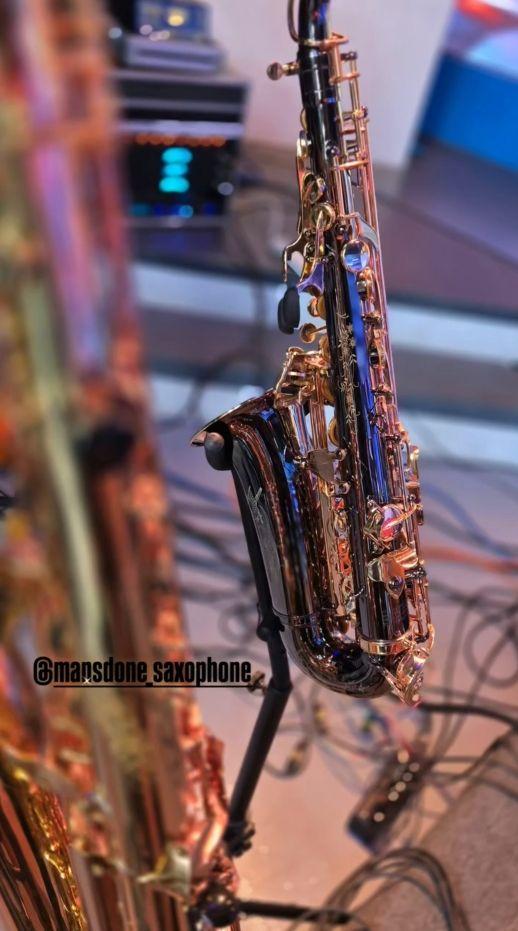
Learning to play the saxophone is an exciting and rewarding journey, but for beginners, the first question is often: Where do I actually start? Based on the experiences of two seasoned players—one who began as a school-age student and another who picked up the sax at age 57—the answer is not a single step, but a thoughtful combination of guidance, practice, and patience.
1. Get a Teacher (Especially at the Start)
Both experienced players strongly recommend formal instruction, particularly in the beginning. One writer notes that “since one little mistake can cost you,” a teacher is invaluable for correcting bad habits early. They suggest finding a teacher almost anywhere—a local band director, a community music group member, or even a competent amateur who regularly plays the sax and knows how to troubleshoot common issues. The same writer regrets not continuing with a private teacher after learning basic notes and embouchure from their mother, calling it “one thing that I really regret.”
For those in school, asking the resident band teacher is an obvious first step. Even teachers from other schools are often willing to help. Outside of school, community music groups are excellent places to find willing instructors. Online resources like YouTube and instructional websites are also praised as great supplements—they offer tips that a teacher might not mention—but they are not recommended as a complete replacement for human feedback.
2. Set a Realistic First Goal
The second writer, who started at age 57, emphasizes that “learn to play” means different things to different people. Their initial goal was modest: to play a dozen tunes reasonably well. Within a few weeks, they could produce an acceptable sound (rather than screeching), play a few notes in tune, and master a C major scale. After six months, they could play recognizable tunes and two scales. This realistic, incremental approach kept them motivated.
Crucially, they point out that even after 13 years of daily practice (one to two hours a day), they still consider themselves learning. They revisit old recordings each year and find room for improvement. This honesty is important for beginners: mastery is a long-term process, not a quick destination.
3. Use Supplementary Tools Wisely
Both players used additional resources. The older beginner relied heavily on method books with play-along CDs, self-recording for critical analysis, and YouTube instruction (noting that online content is “mostly good, some pretty lame”). The younger player also endorsed online videos and websites as useful extras. However, both agree that these tools work best alongside a teacher, not instead of one. Self-recording, in particular, is highlighted as a powerful feedback method—hearing yourself objectively reveals problems you might miss while playing.
4. Embrace the Physical Challenge
One piece of advice is consistent and practical: your mouth will hurt. Building the facial muscles needed for proper embouchure (mouth placement on the mouthpiece) takes time and effort. Even accomplished players can lose those muscles if they stop playing. Beginners should not be afraid of this discomfort—it is normal and temporary.
5. Play Music You Love
Both writers stress the importance of enjoyment. The first advises: “Play as much music as you can get your hands on—but make sure that you like it! If you don’t love it, you are not going to learn.” The second echoes this sentiment, noting that their love for the instrument kept them practicing daily for over a decade. Fun is not a luxury; it is a prerequisite for sustained learning.
6. Avoid Comparison and Be Patient
Finally, both players offer the same psychological advice: do not compare yourself to others. One writes, “We are all on a music journey throughout our lives, but we’re just on different parts.” The other adds, “The more you know, the more you will realise what you don’t know… and hopefully will want to learn.” Mastery takes years, and no one becomes a legend overnight.
In Summary
For a new saxophone player, the most reliable path is this:
- Find a teacher—ideally in person, through a school or community group.
- Set a small, achievable first goal (e.g., a few scales and one simple tune).
- Supplement lessons with books, recordings, and online videos, but use self-recording to track progress.
- Expect physical discomfort and practice consistently (even 1–2 hours daily, if possible).
- Choose music you genuinely enjoy, and be patient with yourself.
Above all, remember that learning the saxophone is not a one-time achievement but a lifelong journey. As the older player puts it, they will keep learning “’til I kick the proverbial bucket.” That perspective—embracing the process rather than rushing to the finish line—is perhaps the most trustworthy advice of all.
This article is provided by Mansdone Brand Marketing Department!