How do you maintain a saxophone?
The lifespan of a saxophone and how smoothly it plays depend largely on just a few minutes of daily care. Here are some truly effective tips.
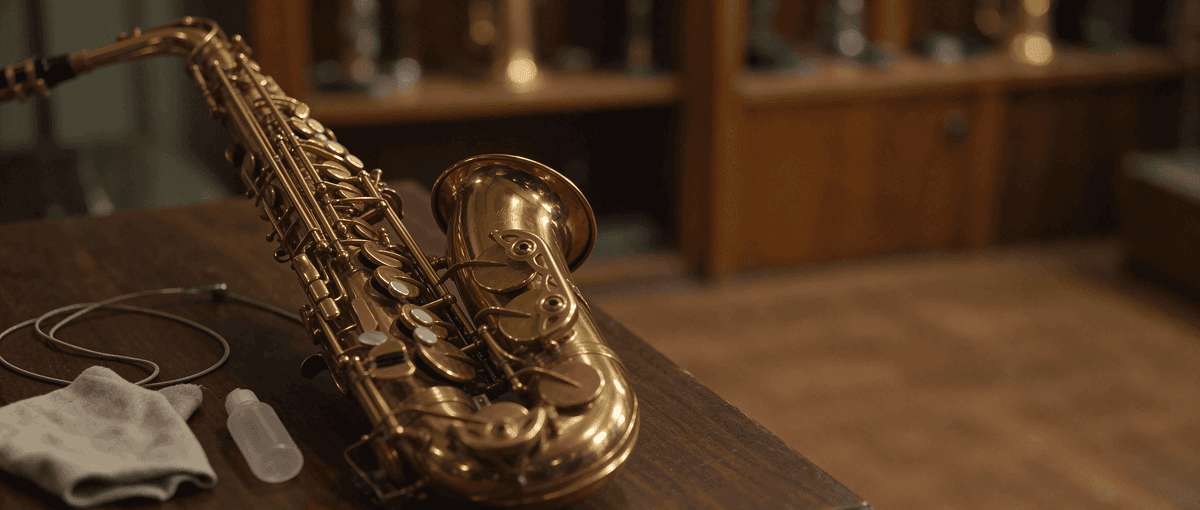 1. Spend three minutes after every playing session
First, use a swab to remove moisture from inside the instrument; condensation is the root cause of rust and unpleasant odors. Remove the reed, wipe it dry, and store it separately in a reed holder or case—never store the mouthpiece with the reed still attached. Loosen the ligature before putting the instrument away; leaving it tightened for long periods will cause the reed to warp. Finally, leave the instrument out to air-dry for a few minutes before closing the case. If damp pads are trapped inside a closed case, they will harden and warp; once the seal is compromised, the tone will immediately become dull and muffled.
2. The instrument body and lacquer finish
After every practice session, use a soft, dry cloth to wipe away fingerprints and sweat (sweat is corrosive). Never use alcohol, wet wipes, or cleaning agents on the lacquer; once the finish is stripped away, it is essentially impossible to restore. For silver-plated instruments, avoid contact with sulfur-containing items, such as rubber gloves or rubber bands. If the silver tarnishes (turns black), gently polish it with a specialized silver-polishing cloth.
3. Keys and pads: The critical areas
Pads are highly susceptible to damage from both water and oil. Never wipe pads with a damp cloth, and do not drip oil into the key mechanisms. If oil seeps onto the pads, it will attract dust and become sticky, causing the seal to fail. You can apply a small amount of specialized key oil to the linkages about every six months—one or two drops are sufficient; using too much will only attract dust. When storing the instrument, ensure it is not resting on its side in a way that puts pressure on the keys, and do not stack other objects on top of it.
4. Mouthpiece and reeds
Clean the mouthpiece using warm water and a soft brush. Avoid hot water, prolonged soaking, or the use of alcohol, as these can cause hard rubber to warp. Reeds do not need to be soaked in water or treated with disinfectant. After playing, wipe them dry and store them flat. Rotate through a set of three to five reeds, and discard any that become warped or cracked. Buying a full box at once and using it for an entire year is a recipe for problems. V. Storage and Handling
Always store the instrument in its case when not in use. Leaving it on a stand for long periods exposes it to dust, accidental knocks, and even structural deformation. Also, avoid high temperatures—such as inside a car trunk, near a heater, or in direct sunlight—as these conditions can cause the leather pads to harden and the adhesive to melt or run. When handling the instrument, grip the body tube rather than the keys or keywork; the neck and mouthpiece should be wrapped separately. In humid environments, place a desiccant inside the case—pay extra attention to this during the rainy season.
5. Regular Professional Maintenance
We recommend a professional inspection once a year to check the pad seals, key clearances, corks, and the neck. If you notice air leaks, a muffled tone, or significant intonation issues, do not attempt to disassemble the instrument yourself; take it to a professional technician. The cost of a routine inspection is far lower than the expense of replacing an entire set of pads.
Maintenance is not complicated, but consistency is key. Treat it as an integral part of your playing routine; your instrument will reward you with better tone and a longer lifespan.
 Please feel free to contact us if you need assistance with maintenance inspections, pad replacement, or advice regarding accessories.
This article is provided by Mansdone Brand Marketing Department!